How to Manage Distributed Engineering Teams: Rituals, Escalation, and Signals
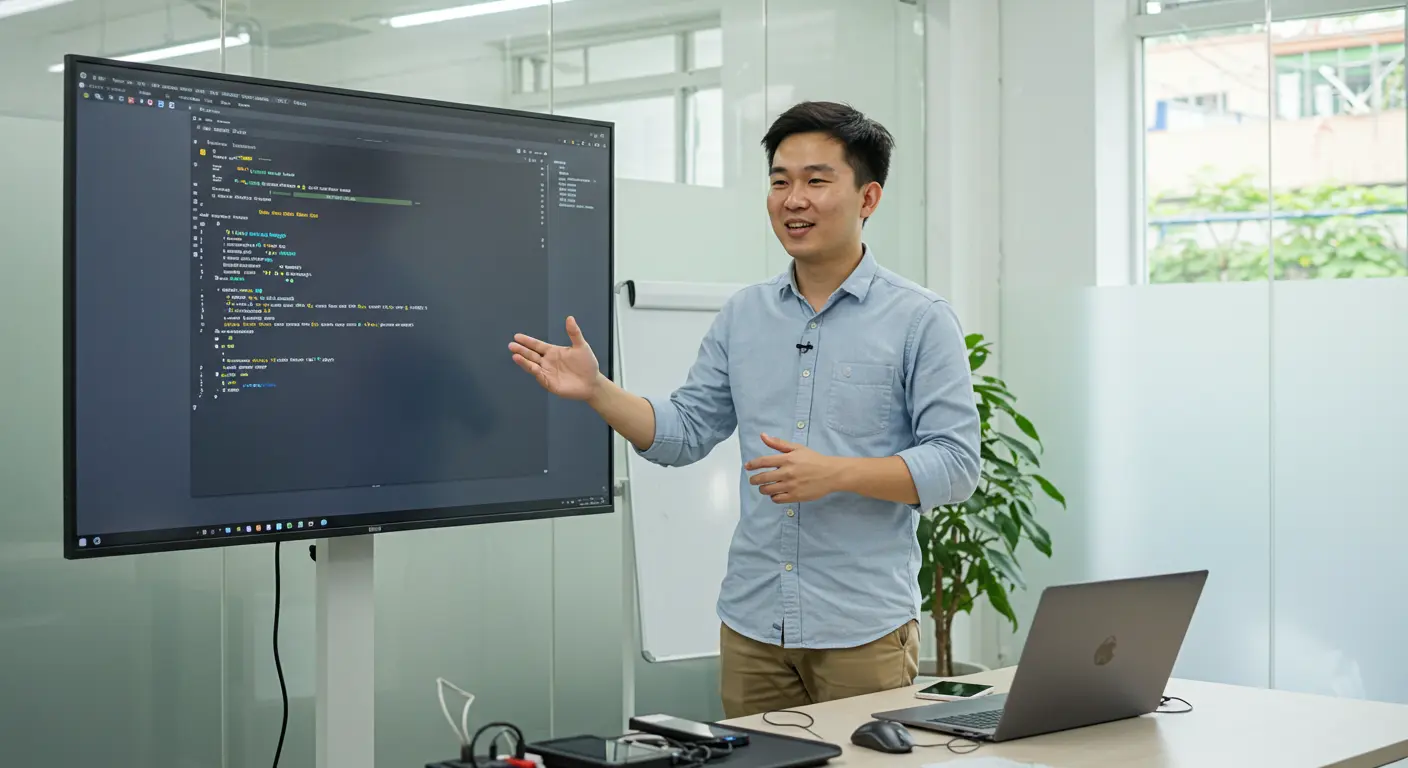
Most dedicated-team failures are management failures, not talent failures. Strong engineers with weak operating design look "slow" within six weeks.
This guide is for Australian engineering leaders running (or about to run) a distributed pod, including Vietnam delivery under Australian product ownership. Pair it with the complete ODT guide and the 30/60/90 Vietnam build playbook.
Rituals that must stay live
Reserve overlap hours for decisions. Async fills gaps; it does not replace planning, refinement, architecture calls, or incident bridges.
- Planning / refinement: inside the core overlap window every week.
- Demo / review: stakeholders who rewrite priorities in private threads after demos will destroy trust. Make the demo the decision surface.
- Retro: fix system friction, not personalities, with written owners.
- 1:1 and feedback: agree how client and partner handle individual feedback. No surprise pile-ons.
Example window many Sydney teams use: 10:00 to 13:00 AEST for decisions, with Vietnam afternoon execution after. Adjust for AEDT and your stakeholder calendar, then publish the window.
Definition of Done and definition of ready
Distributed pods amplify ambiguity. Write both:
- Definition of ready: what must be true before work enters a sprint (acceptance criteria, designs, access, test notes).
- Definition of Done: tests, docs, observability, review, and release checks that apply to every change.
If tickets assume local context the Vietnam pod cannot see, you do not have a talent problem. You have a briefing problem.
Escalation paths within 48 hours of kickoff
| Issue type | Primary owner | Escalate when |
|---|---|---|
| Product priority conflict | AU product owner | Same day if blocking a sprint goal |
| Architecture / tech risk | AU tech lead + pod tech lead | Before merging a foundation change |
| People / performance | Partner delivery lead + AU counterpart | Pattern across two weeks, not one bad day |
| Access / security | Your security owner | Immediately for production risk |
| Commercial / scope | AU commercial owner + partner account lead | When work no longer matches the engagement shape |
Publish names, not only role titles. Anonymous escalation charts fail at 5pm on a Friday.
Performance signals that matter
Track signals that survive story-point theatre:
- Cycle time from ready to production
- Time-to-first-review and review age before merge
- Escaped defects and reopen rate
- Roadmap predictability across two to three sprints
- Incident learning quality (not heroics count)
Avoid vanity velocity charts that reward inflation. If the operating story is always crisis and personality, fix the system before you add more people.
Anti-patterns to kill early
- AU stakeholders who only appear in demos, then rewrite priorities in private threads.
- One onshore architect as a single point of review delay.
- A separate vendor Jira that hides work until something explodes.
- Permanent early-morning harm for one side because nobody redesigned the calendar.
- Feedback that skips the partner and turns Slack into a performance court.
On-call and overlap for platform / SRE pods
If the pod includes platform or SRE work, write on-call boundaries explicitly. Decide which severities require a live bridge in overlap hours versus async follow-up. Vietnam delivery can support serious reliability work when escalation and runbooks are real. It fails when "24/7" is a slide with no roster, no severity model, and no AU backup for customer-facing bridges.
What healthy looks like
Healthy distributed pods look boring: clear ownership, predictable reviews, quiet incidents, and fewer heroic late nights. Continuity compounds. That is the point of a dedicated team versus a rotating project cast.
Need Australian-led operating support with Vietnam delivery?
Cipher Projects runs cloud, AI, and platform pods designed for real AEST/AEDT collaboration, with delivery hygiene as part of the model, not an afterthought.
FAQ
What rituals should stay synchronous?
Planning, refinement, architecture decisions, demos that set priorities, and incident bridges for severities that need live coordination.
Which metrics should we track?
Cycle time, time-to-first-review, escaped defects, reopen rate, and roadmap predictability across two to three sprints.
How fast should escalation paths be published?
Within 48 hours of kickoff, with names for product, architecture, people, security, and commercial issues.
Key Takeaways
- Keep planning, refinement, and demos inside overlap hours; async does not replace decisions.
- Publish escalation owners within 48 hours of kickoff.
- Track cycle time, review latency, escaped defects, and predictability, not vanity velocity.
- Kill demo-only stakeholders, single-threaded review bottlenecks, and shadow vendor trackers early.